


Before you start planning your new fence, it’s worth asking a simple question: do you actually need a permit? For homeowners and business owners in Maumelle, the answer depends on a mix of city requirements, HOA rules, and the specifics of your property. Skipping this step can lead to costly delays, fines, or even having to remove and rebuild a fence that doesn’t meet code. This guide walks through when permits are typically required, how HOA rules factor in, and what to expect before you request a fence installation for your Maumelle property. We’ll also cover what happens if a fence goes up without the right approvals, and how working with a local fence company in Maumelle can help you avoid the most common permitting headaches.
Why Fence Permits Matter in Maumelle
Maumelle is known for its well-kept neighborhoods, upscale properties, and a strong sense of community standards. That combination means fencing decisions often carry more weight here than in other areas, since a fence that doesn’t meet local code or HOA guidelines can affect not just your property, but the overall look of the street or subdivision. This is especially true for properties along main thoroughfares or near shared common areas, where visibility and consistency tend to matter even more to neighbors and HOA boards alike.
Permits exist to make sure fences are built safely, placed correctly along property lines, and consistent with the character of the neighborhood. They also protect homeowners from disputes down the road, since a permitted, properly documented fence removes a lot of the guesswork if a property line question ever comes up with a neighbor or during a future home sale.
Getting this right from the start saves time and money. A fence built without the proper permit may need to be altered or removed later, which is a far more expensive outcome than handling the paperwork upfront.
This matters just as much for established properties as it does for new construction. Even a straightforward fence replacement can trigger permit requirements if the height, material, or location changes from what was originally approved, so it’s worth checking even if your property already had a fence before.
When You Typically Need a Permit
Permit requirements vary depending on the specifics of your project, but a few situations commonly require one:
- Fences above a certain height, often six feet or taller for residential properties
- Fences installed along a shared property line or near a public right-of-way
- Commercial fencing projects, including perimeter security and boundary fencing
- Fences that include electric components, automated gates, or specialty structures
- Any fence replacement that changes the height, material, or footprint of the original fence
Shorter fences, minor repairs, or like-for-like replacements sometimes fall outside permit requirements, but this varies enough that it’s worth confirming before assuming your project is exempt. A quick call to the city or a conversation with an experienced local installer can usually clear this up before you get too far into planning.
Commercial properties tend to face a broader set of requirements than residential ones, particularly around setback distances, sightlines near driveways, and ADA-related access points. If you’re planning a commercial fence installation in Maumelle, it’s worth budgeting extra time for the permitting process, since larger properties sometimes require additional site plan review compared to a standard residential project.
HOA Rules vs. City Permit Requirements
One of the most common points of confusion is the difference between city permits and HOA approval. These are two separate processes, and meeting one does not automatically satisfy the other.
City Permits
City requirements typically focus on safety, height limits, setback distances, and placement relative to property lines and utilities. These rules apply regardless of whether your property is part of an HOA.
HOA Approval
Many Maumelle neighborhoods have HOA guidelines that go further than city code, often specifying approved materials, colors, and styles to keep the neighborhood looking consistent. Even if a fence meets city requirements, it can still be rejected by an HOA if it doesn’t match community standards. Some HOAs also require a formal application or architectural review committee approval before work can begin, which can add a few extra weeks to your overall timeline if it’s not accounted for early.
Because of this overlap, it’s a good idea to check both sets of requirements before finalizing your fence design. Starting with your HOA’s architectural guidelines, if applicable, and then confirming city permit requirements helps avoid a situation where you need to change your plans partway through the process.
For example, a homeowner might confirm that a six-foot wood privacy fence meets city height limits, only to find out later that their HOA only allows a specific style or color along street-facing property lines. Checking both requirements at the same time, rather than one after the other, is usually the fastest way to avoid a redesign mid-project.
What Happens If You Skip the Permit Process
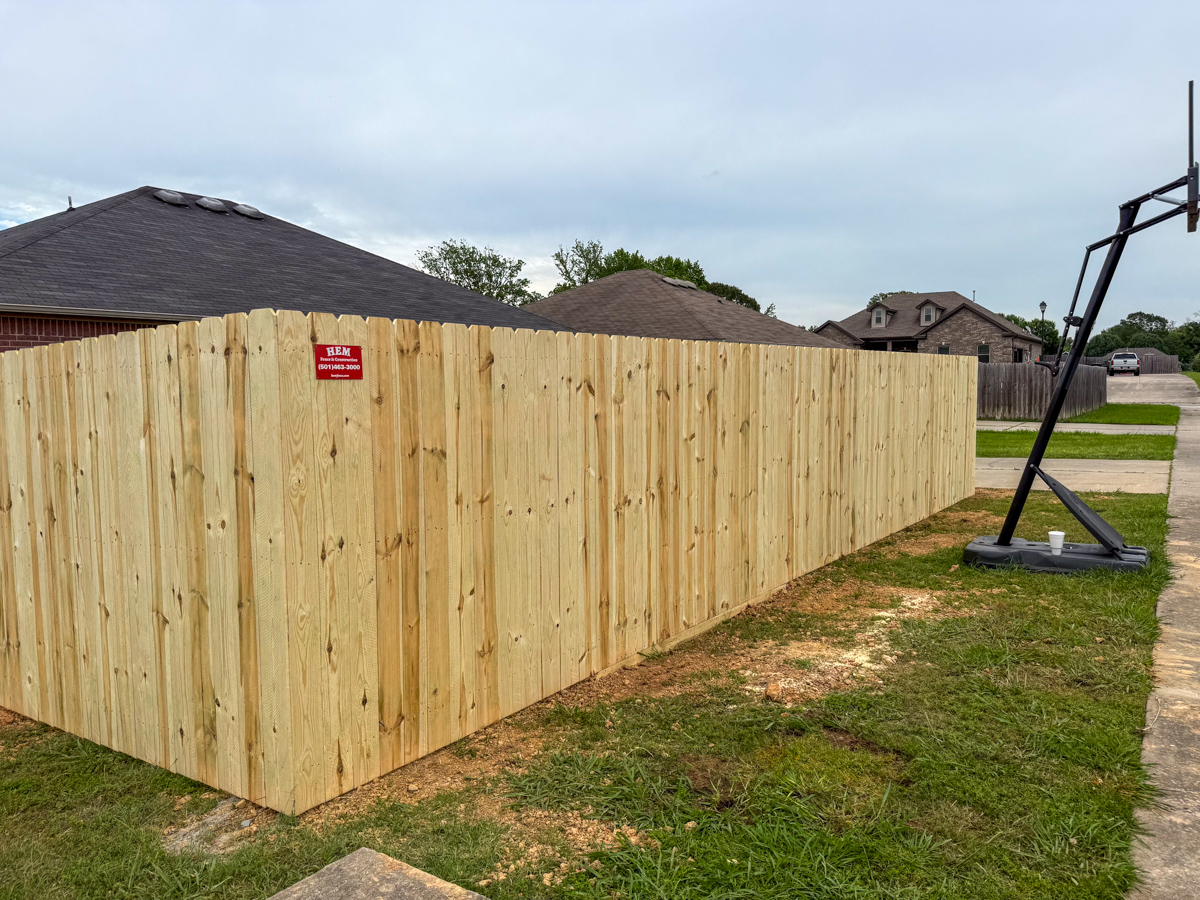
Building a fence without a required permit can create real problems down the line. Depending on the city and the situation, consequences can include fines, a stop-work order, or a requirement to remove or modify the fence entirely, even if it’s already fully built.
Unpermitted fencing can also complicate things when it’s time to sell your home. Buyers and inspectors sometimes flag fences that don’t have documented permits, which can slow down a sale or require last-minute corrections. HOA violations can carry their own penalties as well, separate from any city-level fines, and repeated violations can sometimes result in liens or additional fees attached to the property.
The good news is that most of these issues are entirely avoidable with a little upfront planning. Confirming requirements before installation, rather than after, keeps the process simple and protects your investment in the long run.
It’s also worth noting that permit issues discovered after the fact are rarely a quick fix. Removing and rebuilding a completed fence takes far more time, materials, and labor than getting the design approved correctly the first time, which is part of why we encourage property owners to confirm requirements before any materials are ordered.
How We Help You Navigate Permits and Codes
Part of what makes fence installation in Maumelle straightforward is working with a team that already understands the local requirements. During our on-site visit, we take property lines, setback rules, and HOA considerations into account when discussing design options, so you’re not left guessing about what will or won’t be approved. This kind of upfront planning often makes the difference between a smooth permitting process and one that gets delayed by avoidable back-and-forth with the city or an HOA board.
We also help property owners understand which projects typically require a permit and which ones don’t, based on height, material, and scope. While the property owner is usually responsible for pulling the permit itself, we make sure the fence design and installation meet the requirements needed for approval.
This is especially helpful for larger or more involved projects, like gate installation and automation or custom and specialty fencing, where code requirements can be more detailed than a standard residential fence line. Having an experienced local installer involved from the start reduces the chances of delays or design changes once the project is underway.
Our team has spent years working on properties throughout Maumelle and the surrounding communities, so we’ve seen how local requirements typically play out in practice, not just on paper. You can learn more about our background and approach on our About Us page.
What the Permit Process Typically Looks Like
While every city’s process looks a little different, most permit applications for residential and commercial fencing follow a similar general pattern. Understanding the steps ahead of time can help you plan a realistic timeline for your project.
Submitting Your Application
This usually involves providing a site plan or survey showing the proposed fence line, along with details on height, material, and placement relative to property lines and easements. Some cities allow this to be submitted online, while others require an in-person visit to the permitting office.
Review and Approval
Once submitted, the application is reviewed against local zoning and building codes. Review times vary depending on the season and the complexity of the project, so it’s worth building some buffer time into your schedule, especially during busier months of the year.
Inspection, If Required
Some municipalities require a final inspection once the fence is installed to confirm it matches the approved plan. This step is more common for commercial properties or fences that include automated gates, though it can apply to residential projects as well depending on the scope.
Having a clear site plan and accurate measurements from the start tends to speed up every step of this process, which is one of the reasons an on-site visit with an experienced installer is such a useful first step before submitting anything to the city.
Before you finalize your fence plans in Maumelle, run through this short checklist:
- Check your HOA’s architectural guidelines, if applicable, before choosing a design
- Confirm city height, setback, and material requirements for your property
- Verify your property lines, especially for fences near a shared boundary
- Ask your installer whether your specific project typically requires a permit
- Budget extra time in your schedule for application review and possible inspection
- Keep copies of any approvals or permits for future reference
Working through this list before requesting quotes helps keep your project on schedule and avoids the frustration of redesigning a fence after work has already started. It also gives you a clearer picture of your timeline, since permit review times can vary depending on the season and how busy the city’s permitting office happens to be.
Ready to Plan Your Fence in Maumelle, AR?
Whether you’re still deciding on a design or ready to move forward, our team can help you plan a fence that fits your property, your neighborhood’s guidelines, and local code requirements. We keep the process simple, transparent, and free of surprises from the first conversation to the final walkthrough, so you can move forward with confidence.
Get a Free Quote today and let’s start planning your Maumelle fence project.
Need a Fence Built the Right Way?
H.E.M Fence & Construction works with homeowners, business owners, builders, and property managers throughout Little Rock and Central Arkansas to deliver durable fence installation, honest communication, and dependable craftsmanship. Connect with our team to discuss your project and request a quote.
Like this article? Spread the word!
Related Posts
Gate Automation 101: How Smart Gate Systems Work
Learn how gate automation works, from operators and smart access to safety features, for…
Wood vs. Vinyl Fence: Which Is Right for Your Sherwood Home?
Choosing between wood and vinyl fencing for your Sherwood home? Compare cost,…

Guide to Choosing a Commercial Fence in Benton
Choosing a commercial fence in Benton, AR? See what to consider on materials, permits,…