

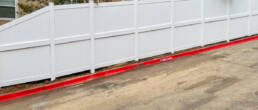
If you’re planning a new fence for your Sherwood home, wood and vinyl are usually the two options at the top of the list. Both offer privacy, security, and curb appeal, but they perform very differently over time when it comes to maintenance, cost, and durability. Choosing between them comes down to your budget, how much upkeep you’re willing to do, and the overall look you want for your yard. This guide breaks down how wood and vinyl compare so you can make a confident decision for your residential fence installation, whether you’re fencing a new build or replacing an older fence that’s reached the end of its life. We’ll cover the strengths of each material, the practical differences that matter most for local properties, and how to think through the decision for your specific home.
Wood Fences: Classic Look, Natural Feel
Wood remains one of the most popular fencing choices for Sherwood homeowners, and it’s easy to see why. There’s a warmth and character to a wood fence that vinyl simply can’t replicate. Treated pine and cedar both blend naturally with landscaping, mature trees, and traditional home styles, which makes wood a strong fit for established neighborhoods where curb appeal matters.
Wood is also one of the more budget-friendly options upfront, especially for larger properties where material costs add up quickly. Beyond cost, wood offers flexibility. It can be stained or painted to match your home’s exterior, and repairs are usually straightforward since damaged boards can be replaced individually rather than requiring a full section replacement.
The tradeoff is maintenance. Wood fences need periodic staining or sealing to resist moisture, sun damage, and the freeze-thaw cycles that Central Arkansas winters can bring. Without regular upkeep, wood can gray, warp, or loosen at the posts over time. When installed with steel posts and quality lumber, though, a wood fence can last for many years while still requiring less day-to-day attention than most people expect.
Lifespan often comes down to how the fence is built rather than the wood itself. Fences installed with steel posts set below the frost line hold up far better than those with wood posts alone, especially in areas with heavier clay soil. A quality installation, paired with staining every few years, is usually the difference between a wood fence that lasts a decade and one that needs replacing much sooner.
Vinyl Fences: Low Maintenance, Modern Durability
For homeowners who want a clean look without the upkeep, vinyl fencing is often the better fit. Vinyl never needs painting or staining, and it resists the fading, warping, and rot that wood can experience over time. That makes it a strong choice for busy households or anyone who would rather spend weekends enjoying their yard than maintaining it.
Vinyl also holds up well in Arkansas’s hot, humid summers. Quality vinyl panels are built to resist cracking and discoloration from UV exposure, and they clean easily with just soap and water. For families with kids or pets, vinyl privacy fencing offers a solid, uniform barrier with no gaps, which adds a layer of safety along with the visual appeal.
Where Vinyl Has an Edge
- Little to no ongoing maintenance required
- Resists rot, insects, and moisture damage
- Holds its color and finish for decades
- Available in styles that mimic traditional picket or privacy fencing
The main tradeoff is upfront cost. Vinyl typically costs more than wood at installation, though many homeowners find the reduced maintenance evens things out over the life of the fence.
Vinyl also pairs well with additional features like decorative post caps, lattice tops, or a matching gate for driveways and side yards. Since vinyl doesn’t require ongoing maintenance, these added features tend to keep their finished look for years without extra upkeep, which is part of why it’s become such a popular choice across newer Sherwood neighborhoods.
Key Differences to Consider for Your Sherwood Property

Beyond the basics, a few practical factors often decide which material makes more sense for a specific property.
Maintenance Expectations
If you’re not interested in staining or sealing a fence every few years, vinyl is the more hands-off option. If you don’t mind occasional upkeep and prefer a natural material, wood is a great fit. Most wood fences benefit from restaining every two to four years depending on sun exposure and weather, while vinyl generally only needs an occasional rinse to stay looking clean.
Upfront Cost vs. Long-Term Value
Wood generally costs less to install, while vinyl costs more upfront but requires less spending on maintenance down the road. Your timeline for staying in the home can help guide which approach makes more financial sense. If you plan to stay in your home for many years, the reduced maintenance cost of vinyl often balances out the higher initial investment. If you’re fencing a property you plan to sell in a few years, the lower upfront cost of wood may be the more practical choice.
Style and Neighborhood Fit
Wood tends to suit homes with a traditional or rustic look, while vinyl fits well with more modern exteriors or homeowners who want a crisp, uniform appearance year-round.
Weather and Soil Conditions
Sherwood’s mix of clay soil and seasonal storms affects both materials, though in different ways. Wood posts set in concrete with proper drainage hold up well, while vinyl’s flexibility helps it handle wind and temperature swings without cracking.
Privacy and Security
Both materials offer strong privacy options when built as solid panel fencing with minimal gaps. Wood privacy fences can be customized with different board spacing and heights, while vinyl privacy panels come pre-built with a consistent, gap-free design. If security is the top priority, either material works well at a taller height, though the choice often comes down to appearance and maintenance preference rather than security performance alone. Adding a lockable gate to either material also helps keep pets contained and deters unwanted foot traffic through the yard.
What to Expect During Installation
Regardless of which material you choose, the installation process follows a similar path. It starts with an on-site visit to measure your property, review your goals, and talk through material options based on your budget and the layout of your yard. From there, you’ll receive a clear, written quote before any work begins, so there are no surprises once the project is scheduled.
Wood installations typically involve setting posts, framing the fence line, and attaching boards or pickets, followed by staining if that’s part of the project. Vinyl installations follow a similar sequence, though panels are often pre-assembled and simply set into posts, which can make the visible progress feel faster even though post-setting and site prep take similar amounts of time either way.
Both materials benefit from proper post depth and concrete footings, especially in areas with heavier clay soil. Cutting corners here is one of the most common reasons fences fail early, regardless of which material sits on top of the posts. Once installation is complete, we walk the property with you to confirm everything meets expectations before considering the job finished. You can read more about our approach and experience on our About Us page.
Which Fence Makes Sense for Different Sherwood Homes
Sherwood has a good mix of established neighborhoods and newer developments, and the right fence often depends on the type of property. Older homes with mature trees and traditional architecture tend to pair naturally with a wood privacy fence, especially when homeowners want the fence to blend into existing landscaping rather than stand out.
Newer construction and homes in subdivisions with HOA guidelines often lean toward vinyl, since its consistent appearance and low maintenance make it easier to keep every property looking uniform without relying on homeowners to stay on top of staining schedules. Vinyl also tends to hold up well for busy families who want a fence that looks the same in year ten as it did on installation day.
Whichever material fits your home, working with a local fence company serving Sherwood makes the process easier. We understand the area’s soil conditions, common HOA requirements, and the styles that tend to work best across different parts of the community, so you get a recommendation based on your actual property rather than a generic answer.
Some homeowners also choose to mix approaches across a property, using vinyl along a front-facing section for a polished street view while opting for wood along a back fence line where appearance matters less than budget. There’s no single right answer, and a good local installer should be able to walk you through the tradeoffs based on how each part of your yard is actually used.
Quick Comparison Checklist
Still weighing your options? Run through this short checklist before making a final decision:
- Do you want a natural, traditional look, or a clean, modern appearance
- How much time are you willing to spend on maintenance each year
- Is your budget more focused on upfront cost or long-term upkeep
- Does your neighborhood or HOA have specific fencing requirements
- How exposed is your yard to direct sun, wind, or storm damage
Answering these questions honestly will point you toward the material that fits your home, your budget, and your lifestyle, rather than just the option that looks best in a photo. It’s also a useful list to bring up when you’re comparing quotes, since it helps keep the conversation focused on what actually matters for your property.
Ready to Choose the Right Fence for Your Sherwood Home?
Whether you’re leaning toward the natural warmth of wood or the low-maintenance durability of vinyl, our team can walk you through your options and help you choose the fence that’s right for your property. We’ll take the time to understand your goals, answer your questions, and provide a clear, honest recommendation with no pressure. If you’d like to see how other Sherwood-area homeowners have approached their fencing decisions, our residential fence resources are a good place to start.
Get a Free Quote today and let’s find the right fence for your home.
Need a Fence Built the Right Way?
H.E.M Fence & Construction works with homeowners, business owners, builders, and property managers throughout Little Rock and Central Arkansas to deliver durable fence installation, honest communication, and dependable craftsmanship. Connect with our team to discuss your project and request a quote.
Like this article? Spread the word!
Related Posts
Why Little Rock Homeowners Trust H.E.M Fence for Residential Fences
Contact us to schedule your free on-site consultation. We will evaluate your property,…
Gate Automation 101: How Smart Gate Systems Work
Learn how gate automation works, from operators and smart access to safety features, for…
Do You Need a Permit to Build a Fence in Maumelle, AR?
Wondering if you need a permit for your Maumelle fence? Learn what's required, HOA rules,…