

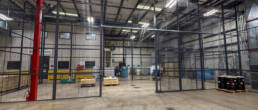
Choosing a commercial fence is a decision that affects your property long after installation day. The right fence protects assets, defines your boundary lines, meets local codes, and reflects a professional image to customers, tenants, and neighbors. For business owners, property managers, and HOAs in Benton, AR, the options can feel overwhelming between materials, height requirements, and long-term maintenance. This guide walks through the factors that matter most when planning a commercial fence installation, from choosing the right material to understanding local permitting. Whether you are securing a new build or upgrading an aging perimeter, we want you to feel confident before you ever break ground. Below, we’ll cover the factors that matter most for Benton properties, compare popular material options, and walk through permitting and site considerations so you know what to expect before you request a quote.
Why the Right Commercial Fence Matters for Benton Businesses
Benton has grown steadily over the past several years, and that growth has brought more commercial development, more multi-unit properties, and more businesses that need dependable perimeter security. A commercial fence is often the first thing a customer, tenant, or delivery driver notices about a property, so it carries real weight for curb appeal and first impressions. Beyond appearance, a well-built fence helps control access, reduce liability, and protect equipment, inventory, and vehicles from theft or vandalism.
Local conditions also play a bigger role than most property owners expect. Central Arkansas summers bring intense heat and heavy storms, and Benton’s clay-heavy soil can shift with seasonal moisture changes. A fence that isn’t built for these conditions may lean, sag, or fail years before it should. That’s why we approach every fence installation in Benton with attention to soil conditions, post depth, and material selection, not just a one-size-fits-all installation.
For HOAs and property managers, there’s an added layer of responsibility. Fencing often needs to meet community standards while still serving a practical purpose like defining shared boundaries or securing common areas. Getting this right from the start saves money, time, and frustration down the road, which is exactly why the planning phase deserves real attention before any materials are ordered.
Insurance and liability are also worth considering. Many commercial insurance policies factor in perimeter security when evaluating premiums, particularly for properties that store equipment, inventory, or vehicles outdoors. A fence that’s properly permitted, well-maintained, and built to code can make conversations with insurers and inspectors much simpler down the road.
Key Factors to Consider Before Choosing a Commercial Fence
Before comparing materials, it helps to get clear on what your property actually needs. A few core factors should guide every decision.
Property Purpose and Security Needs
A warehouse with equipment and inventory has very different needs than a professional office park focused on curb appeal. Think through what you’re protecting, who needs access, and how much visibility or privacy the property requires.
Local Weather and Soil Conditions
Arkansas weather is not gentle on fencing. Materials and post installation methods should be chosen with heat, humidity, and shifting soil in mind, especially for larger commercial spans.
Budget and Long-Term Value
The lowest upfront cost is not always the best long-term value. A slightly higher investment in durable materials often means fewer repairs, less maintenance, and a longer lifespan.
Ongoing Maintenance Expectations
Every material comes with a different level of upkeep. Wood may need periodic staining or sealing, while vinyl and metal typically require little more than occasional cleaning. Thinking through who will handle maintenance, and how often, helps avoid surprises after installation.
Access, Convenience, and Automation
Many commercial properties benefit from more than a standard perimeter fence. Gate installation and automation can streamline daily traffic for employees, deliveries, and customers while adding another layer of security after hours.
- Consider the number of daily entries and exits
- Decide whether keypad, remote, or card access fits your operation
- Factor in maintenance needs for any automated components
If your property has an unusual layout, sloped terrain, or a need for branded entryways, it may be worth exploring custom and specialty fence solutions designed around your exact site rather than a standard configuration.
Appearance and Brand Consistency
For customer-facing properties like retail centers, office parks, or restaurants, a fence is part of the overall impression your business makes. Color, material, and style should line up with your building’s look and the image you want to present, especially along street-facing sides of the property.
Comparing Commercial Fence Materials for Business Properties

Once you know your priorities, comparing materials becomes much easier. Here’s how the most common commercial fencing options stack up.
Wood Fencing
A wood fence offers a warm, professional look that works well for developments, offices, or properties that want a softer aesthetic than metal or chain link. Treated pine and cedar, paired with steel posts, hold up well in Central Arkansas soil when installed correctly.
Vinyl Fencing
For property owners who want a clean, low-maintenance look without repainting or staining, vinyl fencing is a popular choice. It resists fading and cracking in the heat and holds up well for busy commercial sites that need to look sharp year-round.
Chain Link Fencing
Affordable and versatile, chain link fencing remains one of the most common commercial options, especially with vinyl-coated or privacy slat upgrades. It’s a strong fit for job sites, storage yards, and properties that prioritize function and budget.
Metal Fencing
For a sleeker, higher-security look, metal fencing, including aluminum and ornamental iron, delivers durability and curb appeal at the same time. It’s a strong option for office parks, HOAs, and properties where appearance matters as much as security.
Many Benton properties end up combining materials, such as pairing a chain link perimeter with a metal or vinyl section near the main entrance, to balance budget and appearance. There’s no single “right” choice for every property, which is why walking through your specific goals with an experienced installer makes such a difference.
Permits, Local Codes, and Site Considerations in Benton
Most commercial fence projects in Benton require a permit, and requirements can vary depending on zoning, property type, and whether an HOA is involved. Height restrictions, setback rules, and material guidelines are common, especially for properties near roadways or shared commercial developments. Skipping this step can lead to costly changes after installation, so it’s worth confirming requirements before finalizing a design.
Site conditions matter just as much as paperwork. Benton properties often deal with heavier clay soil, drainage patterns that shift after storms, and existing utility lines that need to be located before any posts go in the ground. A thorough on-site visit and measurement process helps catch these issues early, rather than mid-installation.
We work with property owners and managers throughout the area, including nearby communities like Little Rock, Sherwood, Maumelle, and Bryant, so we’re familiar with the range of code requirements across Central Arkansas. That local familiarity helps keep projects on schedule and avoids surprises once work begins.
It’s also worth asking early whether your project will require an inspection once the fence is complete. Some municipalities and HOAs require sign-off before a commercial fence is considered fully approved. Building this step into your timeline from the start, rather than treating it as an afterthought, keeps the project moving smoothly from quote to completion.
Working with a Local Commercial Fencing Company
Experience matters more with commercial fencing than most property owners realize. A contractor who understands local soil, weather, and code requirements can prevent problems that a generic, one-size-fits-all approach often misses. It also helps to work with a team that treats communication as seriously as craftsmanship, since commercial projects usually involve more coordination around scheduling, site access, and timelines than a typical residential job.
We bring the same standards to commercial projects that we use across our residential fence installations, just adapted for larger scopes, business schedules, and property manager requirements. That means clear written quotes, steel posts where extra strength is needed, and a process built around minimizing disruption to daily operations. You can read more about our approach and experience on our About Us page.
A good local partner should also be transparent about timelines and warranty coverage. Ask about material warranties, workmanship guarantees, and what happens if an issue comes up after installation. These details tell you a lot about how a company stands behind its work.
It also helps to ask how a contractor handles unexpected site conditions, like buried utility lines, drainage issues, or uneven grading. A contractor with real commercial experience will have a plan for these situations rather than treating them as costly surprises mid-project. That kind of preparation is often the clearest sign you’re working with a team that understands commercial fencing, not just residential installs scaled up.
Quick Checklist for Choosing the Right Commercial Fence
Before you request quotes, run through this short checklist to make sure you’ve covered the basics:
- Define the primary purpose of the fence, whether it’s security, privacy, boundary marking, or curb appeal
- Confirm permit and HOA requirements for your Benton property before finalizing a design
- Choose a material based on your budget, maintenance preferences, and local weather conditions
- Decide whether gates, automation, or custom features are needed for daily operations
- Ask potential contractors about warranties, timelines, and past commercial experience
- Get a detailed, written quote before scheduling any work
Working through these questions ahead of time makes the quoting and installation process much smoother, and helps ensure the fence you choose actually fits how your property is used day to day. It also gives you a clearer starting point when comparing quotes from different contractors, since you’ll already know what questions to ask and what details matter most for your specific site.
Ready to Plan Your Commercial Fence in Benton, AR?
A well-planned commercial fence protects your property, supports daily operations, and makes a strong first impression for years to come. Our team is ready to walk your Benton property, answer your questions, and help you choose the right material and design for your goals and budget. There’s no pressure and no guesswork, just honest recommendations backed by hands-on experience across Central Arkansas.
From the first phone call to the final walkthrough, we’ll keep you informed every step of the way, so you know exactly what to expect before, during, and after installation.
Get a Free Quote today and let’s start planning a commercial fence built to last.
Need a Fence Built the Right Way?
H.E.M Fence & Construction works with homeowners, business owners, builders, and property managers throughout Little Rock and Central Arkansas to deliver durable fence installation, honest communication, and dependable craftsmanship. Connect with our team to discuss your project and request a quote.
Like this article? Spread the word!
Related Posts
Gate Automation 101: How Smart Gate Systems Work
Learn how gate automation works, from operators and smart access to safety features, for…
Do You Need a Permit to Build a Fence in Maumelle, AR?
Wondering if you need a permit for your Maumelle fence? Learn what's required, HOA rules,…
Wood vs. Vinyl Fence: Which Is Right for Your Sherwood Home?
Choosing between wood and vinyl fencing for your Sherwood home? Compare cost,…